
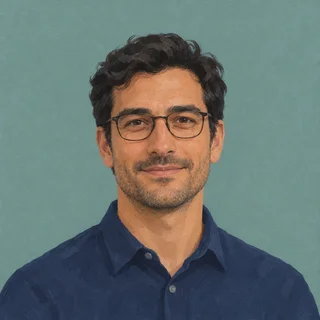

In his recent conversation on The Diary of a CEO, neurologist Dr David Perlmutter explores a question close to our thinking at Elder Blossom: how does everyday life influence the ageing brain?
His explanation centres on microglia, the brain’s immune cells. These cells help protect and maintain brain tissue, but changes in their behaviour can contribute to inflammation and damage. Perlmutter argues that metabolic health, sleep, movement and human connection help shape this internal environment. The science is still developing; it does not offer a simple formula for preventing or reversing dementia.
The broader idea makes sense to us. A person’s wellbeing cannot be separated into a body, a mind and a social life. Each influences the others.
At Elder Blossom, this means creating opportunities to take part: a walk in the gardens, a shared meal, a conversation, music, or something new to learn. A concert may bring movement, anticipation, emotion and friendship together in one enjoyable evening. We want these experiences to remain accessible as people’s needs change.
Research supports combining healthy habits to help maintain cognitive function, although this is not a promise that dementia can be prevented or cured. Our purpose is to help people remain connected, active and themselves, with appropriate care and respect for their choices.
Watch Dr David Perlmutter on The Diary of a CEO:
https://www.youtube.com/watch?v=FRoQOzZRcpw
Research reference: US POINTER randomized trial