
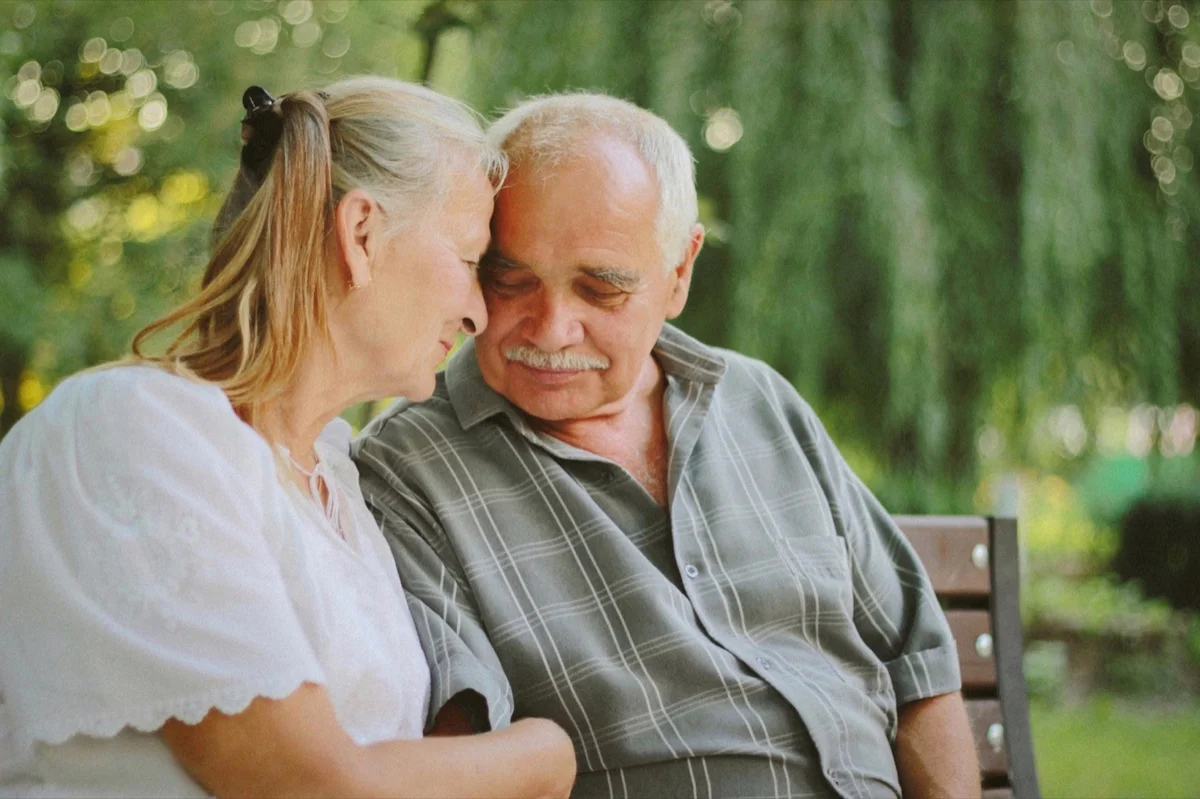
Dementia doesn’t just affect one person. It changes everyone around them. A husband becomes a caregiver. A daughter starts managing medication and finances. A son living abroad checks messages daily, trying to stay involved from a distance. Even when your loved one is safe in a care home like Elder Blossom Hua Hin, your role doesn’t disappear. It just changes.
"Here, but not here"
There’s a strange feeling many families recognize. The person you love is still there, but not fully.
You might notice:
Conversations becoming harder
Memories slipping
Personality changes
Your emotions don’t come one at a time. You can feel sad, frustrated, relieved, and guilty all in the same day. That mix is normal.
The weight doesn’t go away
Caring for someone with dementia is heavy, whether they live at home or in a care home. At home, it’s physical and constant. In a care home, it becomes more emotional and mental.
You may still be:
Making big decisions
Staying in touch with staff
Coordinating with family
Carrying worry, even from a distance
There’s also a quieter kind of grief. Your loved one is still alive, but parts of them are slowly fading. There’s no clear moment of loss, just small changes over time.
Caregiving from a distance
Even with professional support, families stay deeply involved.
You may now:
Make major decisions
Stay in contact with staff and doctors
Coordinate with relatives in different countries
Visit regularly or manage everything remotely
This kind of responsibility can feel just as heavy, only in a different way.
Let it be what it is
You don’t need to have the “right” reaction to this.
Try putting it into simple words:
“I am still a caregiver.”
“My role has changed.”
Let your feelings exist without judging them. If you can, take one small moment for yourself. Sit a little longer after a visit. Have a quiet coffee. Tell someone how this actually feels. You’re still part of this too.